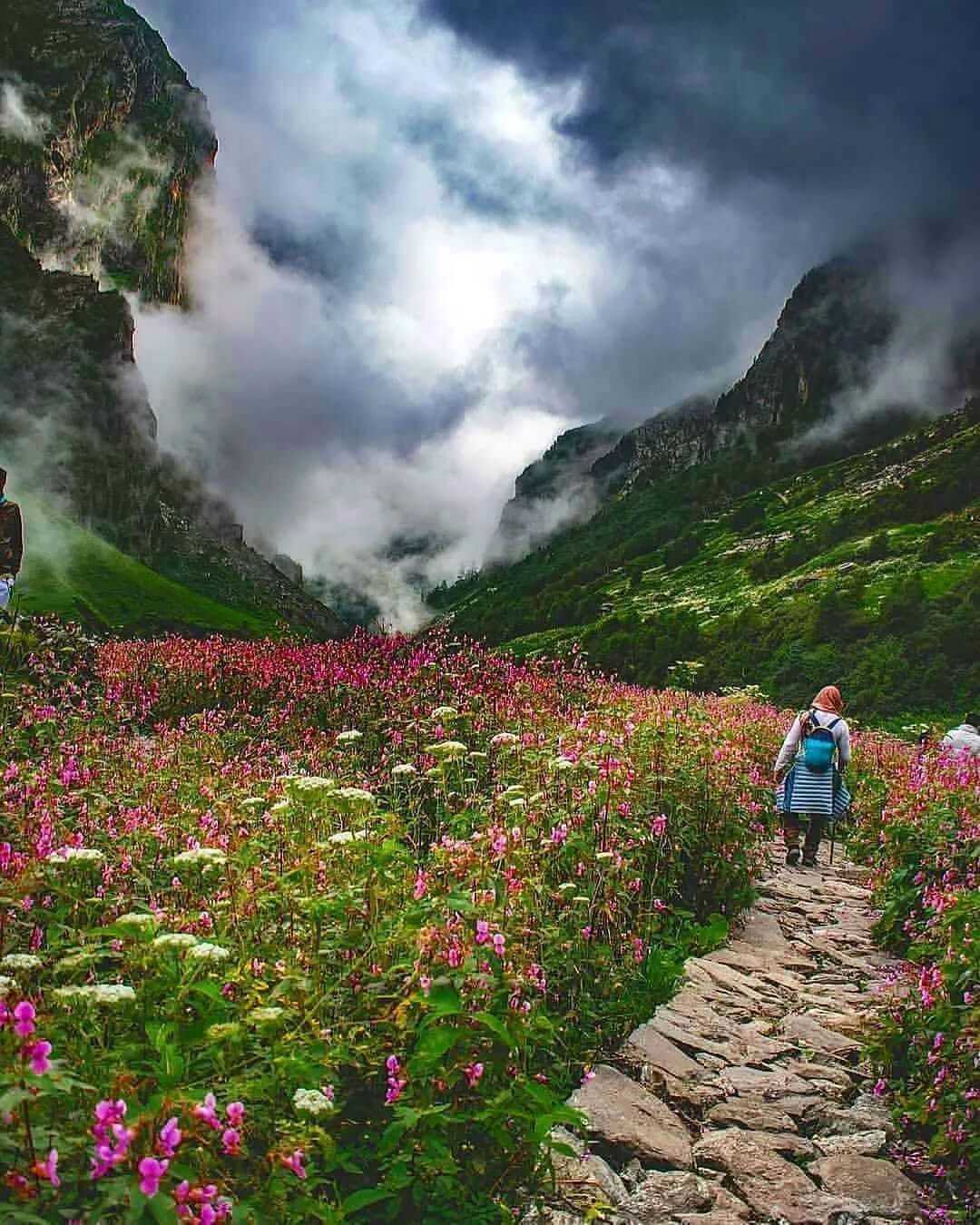
Nestled in the Indian Himalayas, the Valley of Flowers is a true paradise for trekkers and nature lovers alike. Famous for its vibrant alpine flora and stunning landscapes, this UNESCO World Heritage Site offers an unforgettable experience for adventure enthusiasts. Visiting during the peak flowering season lets you witness a kaleidoscope of colors spread across lush meadows.
A trek here is more than just walking through a valley; it’s an immersive journey into pristine nature. From snow-capped peaks to fragrant wildflowers, every step offers breathtaking views and a chance to reconnect with nature.
1. Best Time to Visit the Valley of Flowers
The Valley of Flowers blooms in all its glory during the monsoon months.
The ideal trekking window is from July to September, when the flowers are in full bloom and the weather is pleasant. Early summer or late autumn may offer fewer flowers but clearer trails. Planning your trip during peak season ensures you witness the valley’s colorful flora and enjoy a comfortable trekking experience.
2. How to Reach the Valley of Flowers
Reaching the Valley of Flowers requires some planning, as it involves both road travel and trekking.
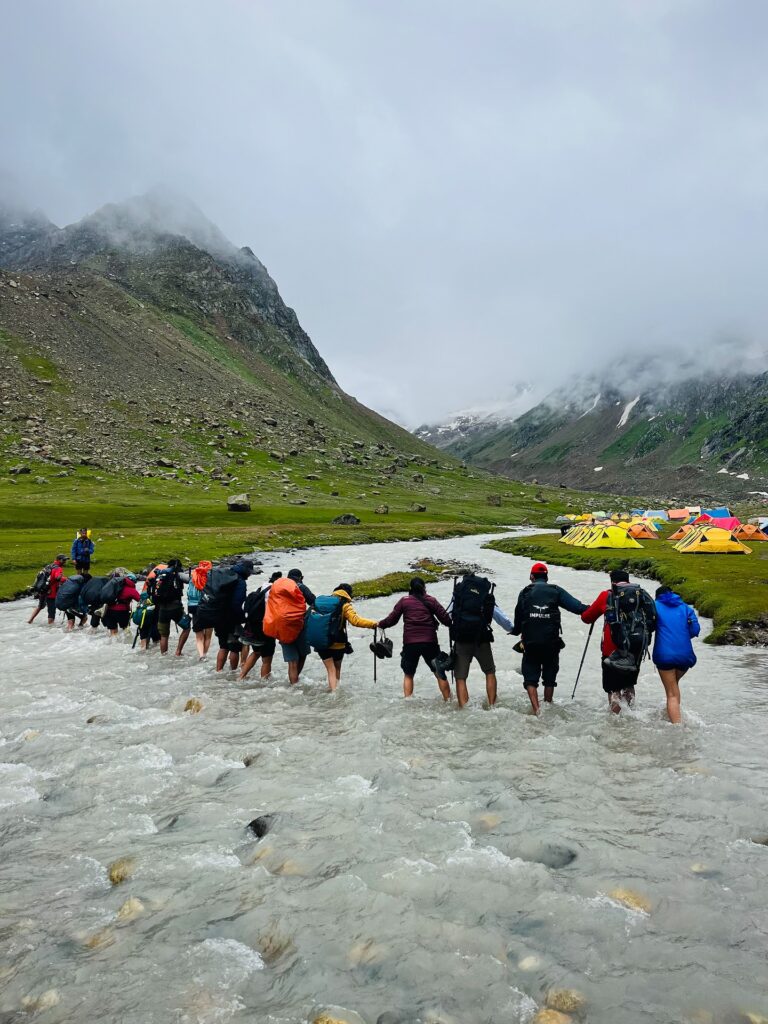
Most visitors start from Rishikesh or Haridwar, reaching Joshimath by road. From there, you drive to Govindghat, the base for the trek. The trek itself is around 13 km and takes 5–7 hours, depending on your pace. Hiring a local guide or joining a trekking group ensures a safe and enjoyable journey.
3. Flora and Fauna Highlights
The Valley of Flowers is famous for its rich biodiversity.
Trekkers can spot hundreds of species, including blue poppies, Himalayan primulas, and various orchids. Wildlife enthusiasts may also encounter snow leopards, Himalayan black bears, and musk deer. The valley’s ecosystem is delicate, so visitors are encouraged to follow responsible trekking practices, ensuring the preservation of this natural treasure.
4. Trekking Tips for Beginners
Even novice trekkers can enjoy the Valley of Flowers with proper preparation.
Wear comfortable trekking shoes and layered clothing to handle changing weather. Carry plenty of water, snacks, and a basic first-aid kit. Start early to avoid afternoon showers, and pace yourself to enjoy the scenery. A guided trek helps navigate tricky trails while offering insights into the valley’s flora and fauna.
5. Nearby Attractions to Explore
Extend your trip by visiting nearby Himalayan gems.
Hemkund Sahib, a serene Gurudwara at higher altitude, is a popular choice. Trekkers often combine both destinations for a fulfilling journey. The surrounding areas also offer picturesque villages, waterfalls, and rivers, giving travelers a complete Himalayan experience beyond the valley itself.
6. Accommodation Options
Options range from guesthouses in Govindghat to basic trekking camps.
For those seeking comfort, staying in Joshimath or nearby towns is recommended before starting the trek. Many travelers also opt for eco-friendly camping in designated areas. Booking in advance during peak season ensures availability and a hassle-free stay.
7. Essential Gear for the Trek
Proper gear makes your trek safer and more enjoyable.
Include waterproof jackets, trekking poles, sturdy footwear, and a good backpack. Sunglasses, sunscreen, and a camera are must-haves to capture the valley’s breathtaking beauty. Lightweight but sturdy gear ensures you can trek comfortably without overpacking.
8. Responsible Trekking Practices
Protecting the valley’s pristine environment is crucial.
Avoid littering, picking flowers, or disturbing wildlife. Stick to marked trails and respect local guidelines. Responsible trekking ensures the valley remains a paradise for future visitors while maintaining the ecological balance of this delicate Himalayan region.
Conclusion
The Valley of Flowers is a trekker’s paradise that promises vibrant landscapes, diverse flora, and unforgettable experiences. With careful planning, responsible trekking, and proper preparation, visiting this natural wonder can be the highlight of your travel adventures in India.
Trekking in Uttarakhand packages you can book
Related Blogs
Read All ›